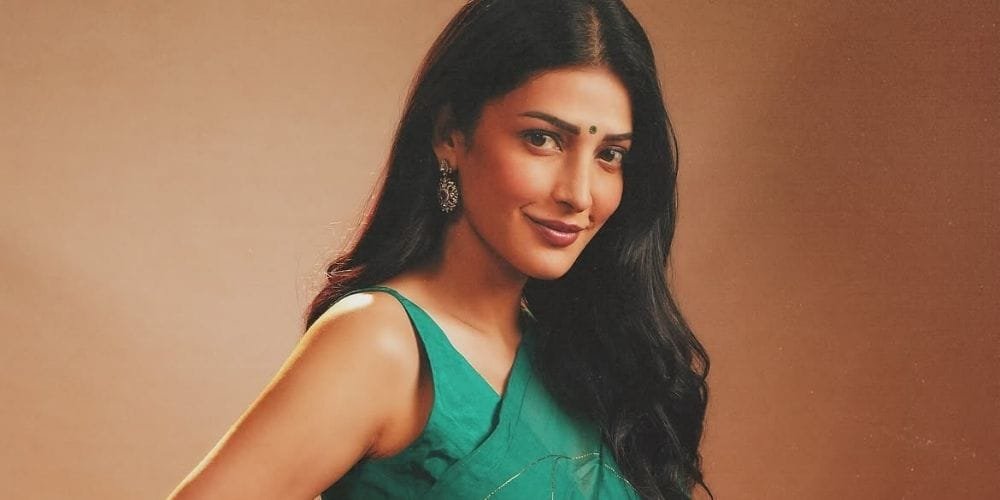
In a landmark legal development addressing the unchecked proliferation of artificial intelligence misuse, the Bombay High Court has passed a strong interim order in favour of actress and musician Shruti Haasan. The ruling comes on a commercial suit filed by Haasan seeking comprehensive protection of her personality, publicity, and moral rights against unauthorized digital manipulation, deepfakes, and unlicensed commercial merchandising.
As per Bar and Bench, Justice Madhav Jamdar, delivering the interim order, underscored the severe, irreversible damage inflicted by digital morphing and the rapid, uncontrolled viral dissemination of synthetic media across the internet.
Court Directs Takedowns and Recognizes Constitutional Protections
Under the bench’s directives, major social media intermediaries, e-commerce platforms, and digital hosts have been ordered to take down objectionable, unauthorized content exploiting Haasan’s persona. The Court explicitly observed that a very strong prima facie case had been established, noting that the infringement directly encroaches upon constitutional safeguards.
“The material on record clearly shows that the plaintiff’s personality rights, publicity rights, and moral rights are violated by the creation of said morphed, deepfake, and/or superimposed contents comprising the morphed plaintiff’s images, photographs, and videos,” the Court noted.
Furthermore, the bench highlighted that these fundamental facets find footing under Article 19(1)(a) (freedom of speech and expression) and Article 21 (right to life, personal liberty, and privacy) of the Constitution of India.
The Core Grievances: Deepfakes and Unauthorized Merchandising
Shruti Haasan approached the judiciary earlier through her legal representatives, naming multiple defendants—including unauthorized merchandise sellers, celebrity booking platforms, AI chatbot providers, and anonymous uploaders—in a ₹15 crore damage suit.
The plaint outlined alarming digital violations experienced over the summer, including:
- AI-Generated Deepfakes: The malicious use of deepfake technology to superimpose Haasan’s face onto unauthorized, explicit, and pornographic videos designed to cause public ridicule and disrepute.
- Commercial Misappropriation: Unlicensed third-party merchandising utilizing her name, signature, and likeness without consent.
- Moral Rights Infringement: The illegal extraction and manipulation of film performance clips to generate context-distorted GIFs and videos, invoking protections under Sections 38, 38A, and 38B of the Copyright Act.
Before Shruti Haasan, several prominent Indian celebrities turned to High Courts seeking legal safeguards and interim protection against the unauthorized commercial exploitation of their name, likeness, voice, and attributes, particularly with the surge of AI-generated deepfakes.
Notable public figures who secured similar legal protections include:
- Amitabh Bachchan: Secured a sweeping comprehensive order safeguarding his distinct voice, image, and name from unauthorized commercial merchandising and exploitation.
- Anil Kapoor: Successfully obtained protective orders preventing the misuse of his likeness, voice, and iconic catchphrases like “Jhakaas”.
- Jackie Shroff: Won judicial protection safeguarding his name, voice, image, and popular colloquial aliases like “Bhidu” and “Jaggu Dada”.
- Rajinikanth: Fought and received favourable rulings from the Madras High Court to prevent the unauthorized use of his persona, voice, and image.
- Aishwarya Rai Bachchan & Abhishek Bachchan: Approached the judiciary to curb the misuse of their digital likeness and privacy.
- Karan Johar & Suniel Shetty: Secured favourable interim injunctions from the Bombay High Court against deepfakes, unauthorized merchandising, and identity misappropriation.
Irreparable Injury to Goodwill and Reputation
Emphasizing why monetary compensation alone falls short in cases involving modern synthetic technology, Justice Jamdar’s order pointed out the permanent nature of internet circulation.
“There is substance in the contention raised by the plaintiff that the continuing dissemination of AI-generated deepfakes, manipulated images, chatbots, and other infringing content has caused and continues to cause irreparable injury to the plaintiff’s goodwill, reputation, and commercial interests,” the bench observed.
The Court further stressed that once fabricated material enters global digital channels, it is subject to unlimited replication, permanently diluting an artist’s public image in a manner that simple financial damages cannot reverse.
With the interim protection now in place, the judiciary has reinforced strict legal boundaries against digital impersonation, setting a formidable precedent for public figures combating unauthorized AI exploitation in India.
By: Bollyo