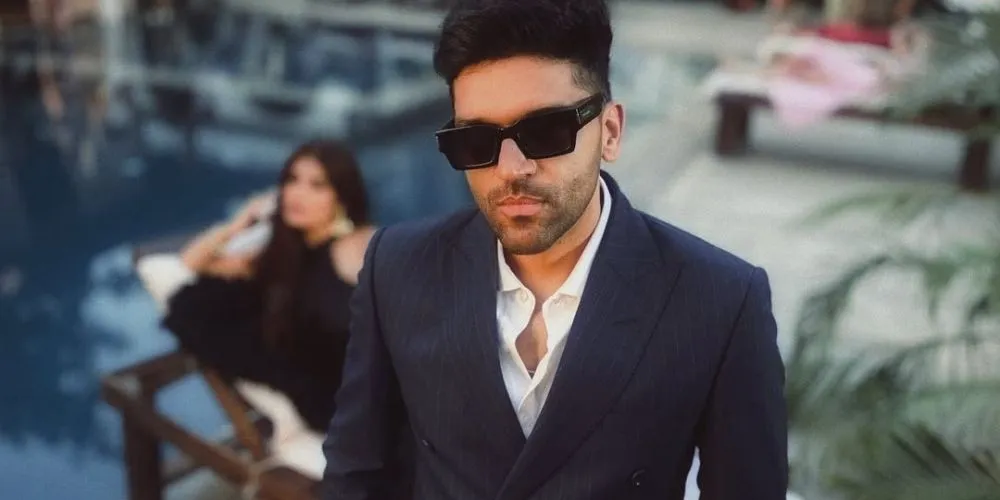
A chilling security incident has sent shockwaves through the national capital after shots were fired at a fitness center in West Delhi’s Paschim Vihar area during the early hours of Thursday, June 11, 2026. The facility, identified as ‘24HS Fitness‘ in Pushkar Enclave, is reported to have business associations with popular Punjabi playback singer and entrepreneur Guru Randhawa.
While authorities have confirmed that no injuries occurred during the attack, the incident has drawn national attention due to an explicit claim of responsibility from the notorious Lawrence Bishnoi crime syndicate, which linked the violence to a vendetta against Bollywood superstar Salman Khan.
According to officials from the Delhi Police, a PCR call was received in the early hours of Thursday regarding a shooting incident at the gym. Preliminary investigations reveal that two unidentified individuals, whose faces were obscured by cloth, arrived at the location on a motorcycle. The assailants fired multiple rounds at the premises before fleeing the scene.
Bullet marks were identified on the glass façade of the building. Despite the brazen nature of the attack, the Delhi Police confirmed that the gym was empty at the time, and no casualties were reported. Specialized police units, including district teams and local investigators, have been tasked with tracking the movements of the suspects. Investigators are currently scouring CCTV footage from surrounding areas, as the shooting took place just outside the direct range of the gym’s own surveillance cameras.
Shortly after the firing, a viral social media post and an associated audio clip surfaced, purportedly issued by an associate of the Lawrence Bishnoi gang, identified as Anil Pandit. The post claimed that the attack was a deliberate warning directed at Guru Randhawa.
The motive provided in the claim is striking in its specificity: the gang alleged that Guru Randhawa had become “too close” to Salman Khan. The Lawrence Bishnoi syndicate has maintained a long-standing, public hostility toward the Bollywood actor, primarily stemming from the 1998 blackbuck poaching case in Rajasthan. The Bishnoi community considers the blackbuck a sacred animal, and the gang has repeatedly cited Salman Khan’s alleged involvement in the hunting of the animal as the basis for their repeated threats and intimidation tactics against him and those associated with him.
The gang’s statement issued a broader, ominous warning: “We had warned him before to stay away… Whichever of our enemies are hiding in any corner, they will be met very soon.”
The Delhi Police have adopted a cautious approach regarding the authenticity of the social media claims. While acknowledging the viral nature of the post, authorities have stated that they are verifying the digital footprint and origin of the message before drawing conclusions.
As part of the active probe, the Deputy Commissioner of Police (DCP) has ordered a thorough verification of the fitness center’s ownership structure. The gym owner has been summoned to produce official ownership and franchise documents to determine the extent of Guru Randhawa’s involvement with the establishment, which reportedly only began operations in February 2026.
“We are examining all angles, including the authenticity of the claims made online and whether the gym is indeed a franchise of a brand associated with the singer,” an official stated. As of now, police have not confirmed a direct link between the singer himself and the motive behind the attack.
This incident is part of a growing trend of organized crime syndicates using digital platforms to claim responsibility for extortion and acts of violence across the National Capital Region. The Lawrence Bishnoi gang, in particular, has repeatedly targeted high-profile public figures and entertainers, citing various motives ranging from “protecting community sentiments” to direct revenge.
The strategy of targeting individuals perceived to be close to their adversaries—such as Salman Khan—has become a recurring feature of the gang’s operational model. Similar incidents have been reported in the past, where the gang claimed responsibility for shootings at the homes of other prominent artists and public figures in India and abroad, often attempting to leverage their influence from foreign bases.
As the investigation continues, the Delhi Police remain on high alert. The incident serves as a sobering reminder of the complex and dangerous intersection between celebrity culture, organized crime, and the challenges of maintaining public safety in an increasingly digitized era of gang warfare.