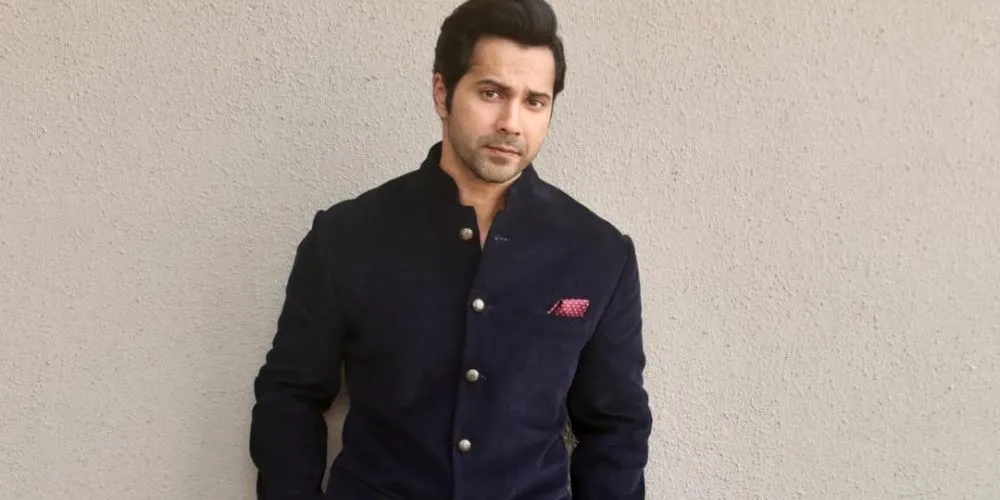
In a significant legal victory for Bollywood actor Varun Dhawan, the Delhi High Court has issued an interim order aimed at curbing the unauthorized and exploitative use of his identity across digital platforms. Following a petition filed by the actor, Justice Jyoti Singh has directed the immediate removal of deepfake content, unauthorized endorsements, and manipulated visuals that misuse Dhawan’s name, image, and voice.
This ruling highlights the mounting concerns within the Indian entertainment industry regarding the unregulated rise of AI-driven impersonations that threaten the professional reputations and privacy of public figures.
The court’s mandate is comprehensive, targeting not only identified parties but also unidentified ‘John Doe’ defendants—individuals or entities who circulate illicit content under anonymity. Justice Jyoti Singh has explicitly instructed all digital intermediaries and social media platforms to ensure that Dhawan’s personality rights are safeguarded, prohibiting the misuse of his identity “in any form or manner whatsoever”.
Platforms are now legally obligated to implement preventive measures to monitor and block the further circulation of deepfakes or content that falsely attributes endorsements to the actor. This order reinforces the judiciary’s proactive stance in addressing digital piracy and identity theft in an era of advanced generative AI.
Varun Dhawan’s legal action adds his name to a rapidly growing list of high-profile celebrities seeking judicial protection to preserve their likeness and personal brand. The misuse of celebrity identity—ranging from AI-generated deepfakes to deceptive commercial endorsements—has prompted widespread concern among top-tier stars.
Other prominent actors who have previously sought similar court interventions to protect their names, voices, and likenesses include Salman Khan, Amitabh Bachchan, Aishwarya Rai Bachchan, Ajay Devgn, Allu Arjun, Kajol, Abhishek Bachchan, Vivek Oberoi, Arjun Kapoor, and Jackie Shroff.
These collective legal battles signify an industry-wide push to hold tech platforms accountable for content moderation when it infringes upon the personality rights of individuals.
The case of Varun Dhawan reflects the broader, systemic challenges posed by deepfake technology, which allows bad actors to manipulate visuals and audio with increasing realism. For celebrities, this technology is frequently weaponized to create fake advertisements for unverified products, political misinformation, or defamatory content.
By granting this interim protection, the Delhi High Court has sent a clear message that the digital domain is not a lawless space. The court’s emphasis on “preventive measures” suggests that the responsibility now lies with digital intermediaries to ensure that AI-generated fabrications are effectively identified and removed from their ecosystems.
The Delhi High Court’s decision is not just a win for Varun Dhawan; it is a framework for protecting the digital autonomy of public figures in an age where identity can be easily synthesized and exploited for commercial or malicious gain.