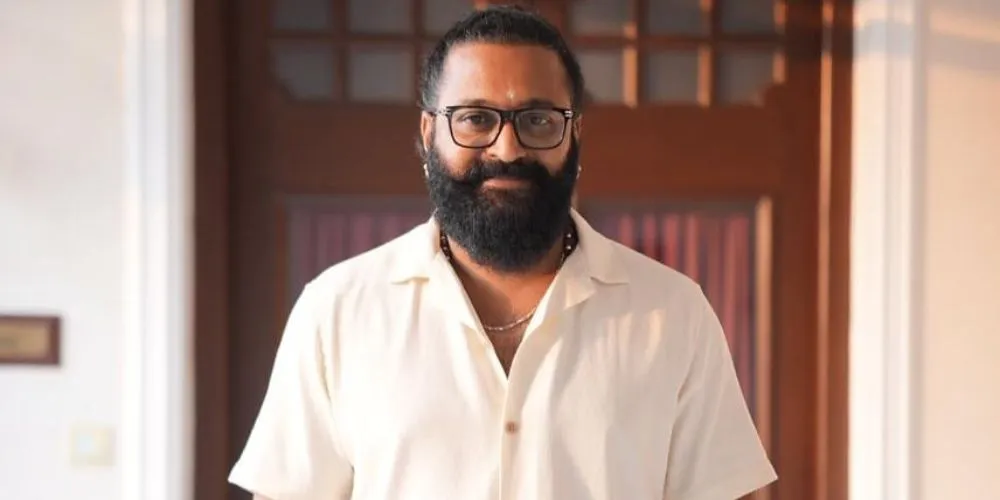
In a powerful statement on cultural preservation, National Award-winning actor and filmmaker Rishab Shetty has voiced his deep discomfort regarding the public imitation of the sacred Daiva rituals depicted in his blockbuster franchise, Kantara: Chapter 1. Speaking at a high-profile event in Chennai on December 15, Shetty emphasized that while the film belongs to the world of cinema, the spiritual elements it portrays are sacred traditions that demand unwavering respect.
The actor’s remarks come just days after Bollywood superstar Ranveer Singh faced significant backlash for mimicking a possession sequence on stage during the closing ceremony of the International Film Festival of India (IFFI) in Goa. Shetty’s address serves as a firm reminder that certain aspects of regional heritage are “emotionally connected” to the community and should not be reduced to pop culture entertainment.
Addressing the audience in Chennai, Rishab Shetty was candid about the risks of bringing localized, sensitive rituals to a global stage. He noted that while filmmakers strive for cinematic excellence, the line between performance and religious practice is often blurred by fans and fellow actors alike.
“That makes me uncomfortable,” Shetty stated firmly. “While much of the film is cinema and performance, the Daiva element is sensitive and sacred. Wherever I go, I request people not to perform it on stage or mock it. It is emotionally deeply connected to us.”
Rishab Shetty explained that his team at Hombale Films took extensive precautions during the production of Kantara Chapter 1. He revealed that they consulted several community elders to ensure the portrayal remained authentic and respectful. For the Tulu community, the Daiva is a living belief system, not a fictional character designed for mimicry in theaters or on social media reels.
The conversation surrounding cultural sensitivity was reignited following an incident at the IFFI Goa closing ceremony on November 30. Ranveer Singh, who was attending to promote his upcoming film Dhurandhar, took to the stage to praise Shetty’s performance. However, the interaction turned controversial when Singh attempted to recreate the intense Chamundi Daiva possession scene.
Adding fuel to the fire, Singh referred to the revered deity as a “female ghost,” a remark that many social media users and cultural scholars deemed “ignorant” and “disrespectful.” Despite reports that Shetty had requested Singh not to perform the act on stage, the Bollywood star proceeded with an exaggerated rendition.
In the wake of a formal complaint filed by the Hindu Janajagruti Samiti (HJS) and widespread online criticism, Ranveer Singh issued a public apology on Instagram, stating:
“My intention was to highlight Rishab’s incredible performance… I have always deeply respected every culture, tradition, and belief in our country. If I’ve hurt anyone’s sentiments, I sincerely apologise.”
The Kantara franchise has transcended the boundaries of Kannada cinema to become a global phenomenon. Kantara Chapter 1, the prequel to the 2022 hit, has already broken several box office records, earning over ₹850 crore worldwide. However, this success has also led to a troubling trend of fans dressing as Daivas in cinema halls and performing mock rituals for viral content.
Rishab Shetty’s stance remains clear: cinema should be experienced as cinema, but the spiritual roots must remain untouched. He urged fans to celebrate the story’s emotional arc without trivializing the sacred “Daiva Nartak” (spiritual performer).
As Kantara Chapter 1 continues its dominant run in theaters, the industry is now reflecting on the responsibility that comes with creative freedom—especially when it involves the faith and identity of indigenous communities.