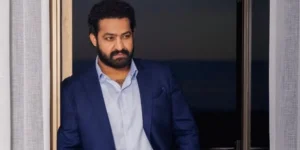
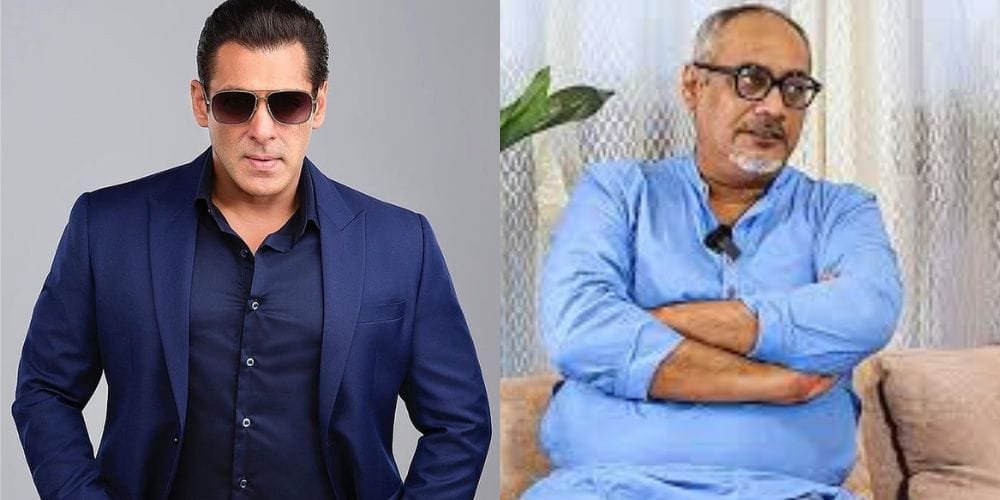
In a significant legal development that has sent ripples through the Indian film industry, Bollywood superstar Salman Khan has secured a major victory in his ongoing legal battle against filmmaker Abhinav Kashyap. On Friday, January 30, 2026, a Mumbai civil court passed an ad-interim ex-parte injunction, effectively barring Kashyap from making, publishing, or circulating any “derogatory” or “scandalous” statements against the actor and his family members.
The court’s decision follows a Rs 9 crore defamation lawsuit filed by Khan, who alleged that Kashyap had engaged in a systematic campaign to tarnish his professional integrity and personal character through a series of “scandalous, false, and grossly defamatory” allegations.
Presiding over the case, Judge P G Bhosale delivered a clear and firm message regarding the boundaries of constitutional rights. While hearing the plea, the judge emphasized that while the Indian Constitution protects the right to freedom of expression, it does not grant a license to disparage others.
“Freedom of speech doesn’t mean one can use abusive and threatening language against any individual,” Judge Bhosale remarked while passing the injunction.
The court noted that the material presented by Salman Khan’s legal team established a prima facie case that the statements made by Kashyap were intended to cause irreparable harm to the reputation of the Khan family. Consequently, the court has temporarily restrained Kashyap and two other defendants from releasing any further content of a similar nature until the next hearing.
The legal friction between Salman Khan and Abhinav Kashyap—who notably directed the first installment of the Dabangg franchise—has escalated significantly over the past few years. The suit filed by Khan claims that Kashyap used various platforms to launch personal attacks, targeting not just Salman but also his family members, including brothers Arbaaz Khan and Sohail Khan, and father Salim Khan.
The Allegations at a Glance
- Professional Sabotage: Claims that the Khan family used their influence to derail Kashyap’s career.
- Character Assassination: Remarks targeting the actor’s personal life and family values.
- Abusive Language: The use of threatening and derogatory terminology in public broadcasts.
The suit seeks Rs 9 crore in damages, asserting that the constant barrage of misinformation has caused significant mental agony and professional reputational damage.
The lawsuit does not stop at the filmmaker. It also names Khushboo Hazare and several major social media platforms as defendants. Central to the suit are videos broadcast on the “Bollywood Thikana” YouTube channel, which allegedly hosted the defamatory content.
Salman Khan’s legal team argued that these digital platforms acted as vehicles for the spread of “malicious lies.” By naming social media giants in the suit, the actor aims to ensure that the derogatory videos are not only stopped at the source but also removed from public access to prevent further circulation.
The animosity between the two dates back to the aftermath of Dabangg (2010). While the film was a massive hit that revitalized Salman’s career, Kashyap famously walked away from the sequel. Following the tragic passing of actor Sushant Singh Rajput in 2020, Kashyap posted a lengthy social media statement accusing the Khan family of bullying and sabotaging his projects.
While the Khans initially maintained a dignified silence, the continued “scandalous” nature of the recent videos on Bollywood Thikana appears to have been the final straw, prompting this decisive legal action.
For the Khan family, this injunction is more than just a legal win; it is a move to protect a legacy built over five decades. Salim Khan, a legendary screenwriter, and his sons have often been at the center of media storms, but the suit claims that Kashyap’s recent “threatening language” crossed a line that necessitated judicial intervention.
The injunction remains in place as a temporary measure until the court hears the arguments from the defendants. Legal experts suggest that this case could set a precedent for how “celebrity feuds” are handled on digital platforms, particularly regarding the accountability of YouTube channels and influencers who host defamatory content.
As of now, the digital footprint of the alleged defamatory videos is under scrutiny, and the court is expected to delve deeper into the evidence during the upcoming proceedings in February 2026.