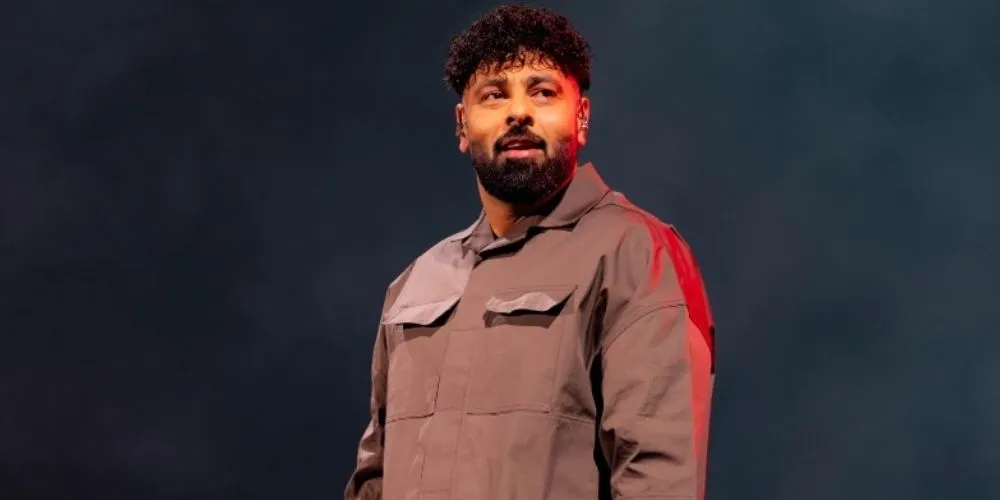
In a significant move toward accountability in the Indian music industry, popular rapper and singer Badshah appeared before the National Commission for Women (NCW) on April 7, 2026. The artist issued a formal, written apology regarding his controversial track ‘Tateeree,’ which recently sparked a nationwide row over its portrayal of schoolgirls and perceived violation of female dignity.
The hearing, presided over by NCW Chairperson Vijaya Rahatkar, marked a turning point for the artist, who has now committed to a series of restorative actions. Alongside Badshah, the song’s directors, Joban Sandhu and Mahavir Singh, and producer Hiten, also attended the session to address the commission’s concerns.
The controversy erupted shortly after the release of ‘Tateeree,’ as listeners and advocacy groups flagged the song’s lyrics and visual content. Critics argued that the depiction of schoolgirls in the music video was not only distasteful but also crossed ethical boundaries, potentially objectifying minors.
Taking a firm stand on the matter, the NCW initiated a suo motu case against the song. The commission cited that the creative choices made by the team violated the fundamental dignity of women and set a poor precedent for young audiences. Chairperson Vijaya Rahatkar emphasized that while creative freedom is a right, it cannot come at the cost of social responsibility or the safety and respect of women.
During the proceedings on April 7, Badshah and his legal team confirmed that they have already taken corrective measures. The most immediate action involved the complete removal of ‘Tateeree’ from all major streaming platforms, including YouTube, Spotify, and Apple Music.
By scrubbing the track from the digital space, the production team aims to limit any further negative impact. This proactive step was viewed favourably by the commission, though the hearing focused heavily on how the artist intends to rectify the narrative in the long term.
Beyond the apology, Badshah has pledged to use his massive platform for positive social change. He officially promised the NCW that he would compose and release a new song centered on women’s empowerment.
The rapper has set a strict four-month deadline to deliver this project. According to sources close to the artist, the upcoming track will focus on themes of resilience, independence, and the strength of the girl child. This “musical penance” aims to demonstrate a genuine shift in his creative direction and a commitment to producing content that respects and uplifts his audience.
Perhaps the most impactful outcome of the settlement is Badshah’s commitment to grassroots social work. The singer also pledged to sponsor the education of 50 underprivileged girls from economically weaker sections (EWS).
This initiative will cover tuition fees and educational resources, ensuring that these young women have the opportunity to pursue their academic goals. By shifting from a controversial portrayal of schoolgirls to actively funding their futures, Badshah is attempting to turn a public relations crisis into a meaningful social contribution.
Chairperson Vijaya Rahatkar reaffirmed that the commission will monitor these pledges closely. The NCW’s involvement in the ‘Tateeree’ case serves as a warning to the broader entertainment industry regarding the content of music videos and lyrics.
“The commission expects influencers and artists to realize the weight of their reach,” an official statement suggested. The settlement is seen as a “restorative justice” model—where the artist isn’t just penalized but is encouraged to contribute positively to the demographic their work previously offended.
Badshah’s appearance before the NCW highlights an evolving landscape where digital content creators are held to higher ethical standards. While the ‘Tateeree’ controversy was a significant lapse in judgment, the rapper’s willingness to apologize and invest in the education of 50 girls offers a path toward redemption.
As the four-month clock begins for his empowerment anthem, the industry and fans alike will be watching to see if this marks the beginning of a more socially conscious era for India’s biggest rap star.
Do you think Badshah’s pledge to sponsor 50 girls is a sufficient response to the controversy, or should there be stricter regulations on music lyrics from the start?